So, I’m just going to begin this by saying that Aristotle made a lot of great points when it comes to rhetoric. I know that not everyone appreciates everything he said, but on average, most people do admit that he was a very influential sophist.
One of the things that Aristotle had a lot to say about was Ethos, i.e. “to be worthy of belief” (Smith 73). According to him, ethos is the most important factor in rhetoric. Consequently, he split up ethos into three main artistic strategies: Sagacity, goodwill, and character. For the purposes of my short critique, I will be focusing mostly on goodwill and sagacity.
In Craig Smith’s textbook, Rhetoric and Human Consciousness, goodwill is defined as a rhetor “demonstrating that [they] have the audience’s best interests at heart” (74). Sagacity is “the use of evidence, the recall of important events, a strong sense of organization, and even proper word choice” that can impact the way an audience “perceives the speaker in terms of expertise on a given subject” (73).
One amusing Super Bowl commercial that I think shows this well is “Not Everything Makes the Cut” by Amazon. The video begins with a woman telling Alexa to reheat her pasta in a microwave. Standing off to the side, a man admits his surprise to a nearby Amazon employee. The employee then goes on to tell him about various ways Amazon had tried, and failed, to put Alexa into numerous products including a toothbrush, a dog collar (for dogs), a hot tub, and lastly in space.
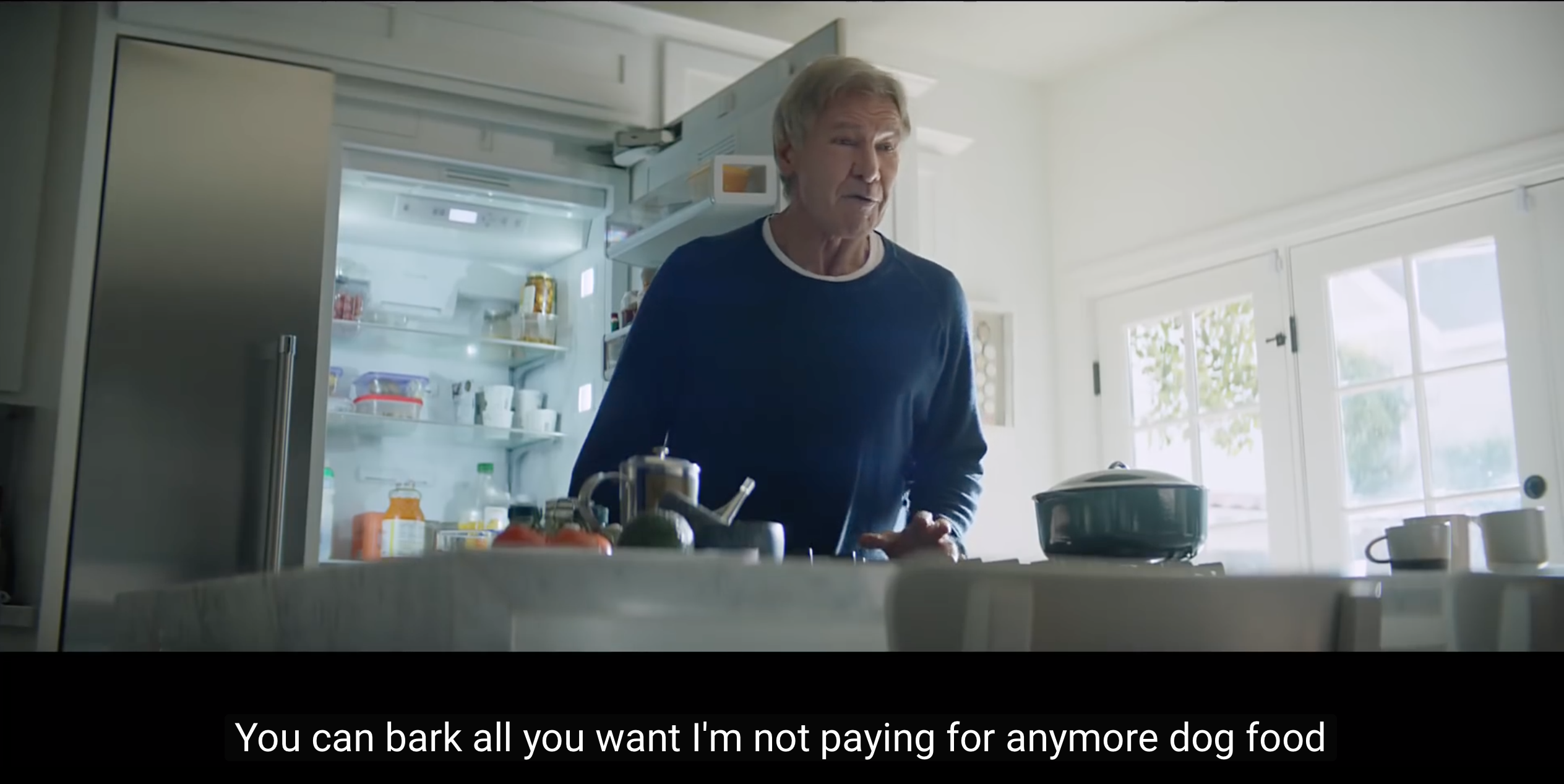
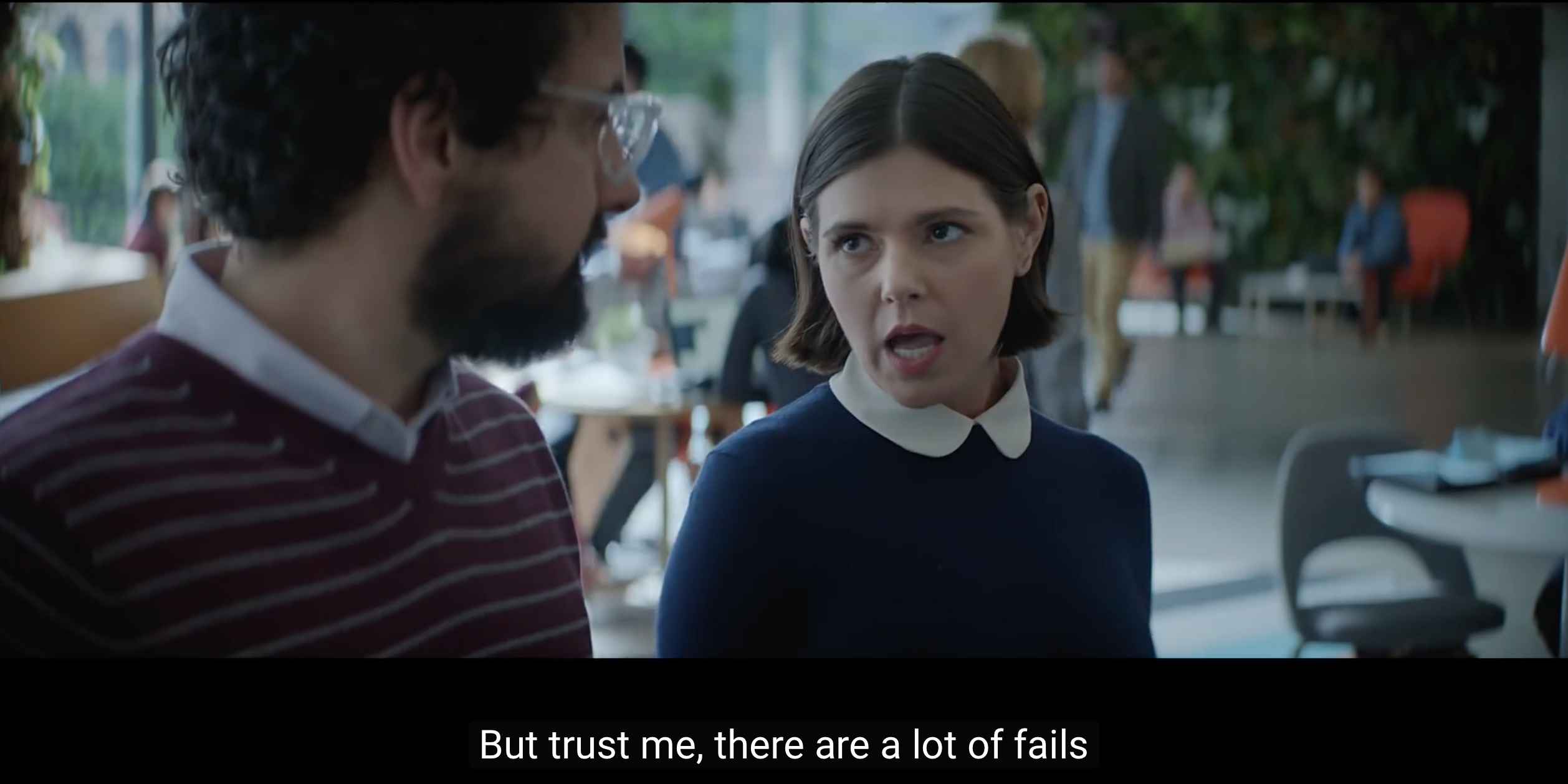
While my first reaction to everything in this commercial was definitely amusement, the longer I thought about it, the more I realized how this commercial engages with ethos. The first part that made me think about this was the way the Amazon employee admits there have been a lot of fails. This sentiment was only strengthened with each successive example, going from the least concerning to the most dangerous.

By ordering the commercial in this way, Amazon employed sagacity through their portrayal of these specific events as they were being recalled by the employee. Furthermore, the significant organization of each event shows careful reasoning.
While at first it may seem counterproductive that Amazon is admitting to its failures, I think it actually shows a certain amount of “transparency” regarding the potential flaws or dangers of their products. Additionally, by acknowledging what has gone wrong, Amazon is painting a picture of their company as one that is self-aware and intentional about making sure they continue to develop their products into the best they can be.
In closing, I just want to point out that the title of the commercial, “Not Everything Makes the Cut” only shows this more by clearly stating that there is a standard for Amazon products that must be met.
To view the full commercial, click here.
 Notes in the Margins