Argumentative fallacies are more common than many of us let on. They often show up in arguments and debates, political discourse, tweets, and entertainment. No matter where they appear, argumentative fallacies are not only problematic because of their faulty logic, but in particular because of the actions and ideologies they wrongly portray and promote.
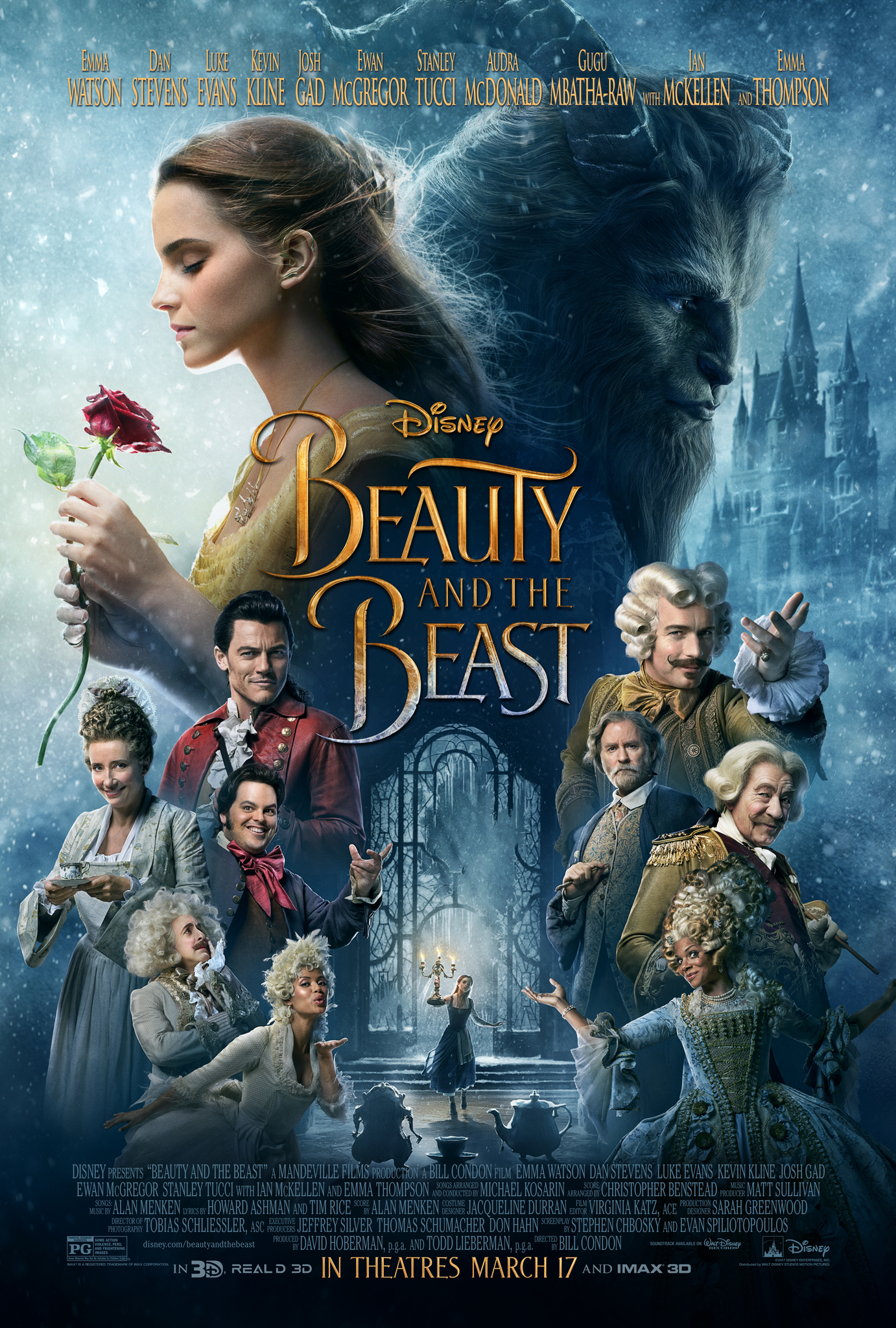
While there are many examples I could address, I feel like talking about Disney. Disney’s 2017 version of Beauty and the Beast is a truly wonderful remake of the old Disney classic. Similar to the old film, one of the best parts about this remake, in my opinion, is the soundtrack. In particular, I want to focus on the “Mob Song”. This song depicts the part of the story where Gaston is rousing people to come join him in killing the Beast. As I listened to this song, I noticed that Gaston employed numerous argumentative fallacies.
One of the major ones he brings up at the very beginning of the song is Ad baculum. Smith describes this fallacy as one that “substitutes a threat for a legitimate argument” (117). Gaston employs this when he sings, “We’re not safe until he’s dead / He’ll come stalking us at night / Set to sacrifice our children to his monstrous appetite / He’ll wreak havoc on our village if we let him wander free / So it’s time to take some action, boys / It’s time to follow me.” In these lines, Gaston thoroughly paints the beast as a threat. Never once does he mention actual things that the beast has done, rather he merely speculates on the possible violence that the beast is supposedly capable of doing. I actually think that this part of the song is an example of Ad hominem as well, a fallacy that is “an attack on the person in order to undercut the truth of his or her statements” (Smith 117). While the beast is not physically present and making statements, Gaston’s purposeful portrayal of the Beast makes him seem like a threat while Gaston is seen as a voice of reason.
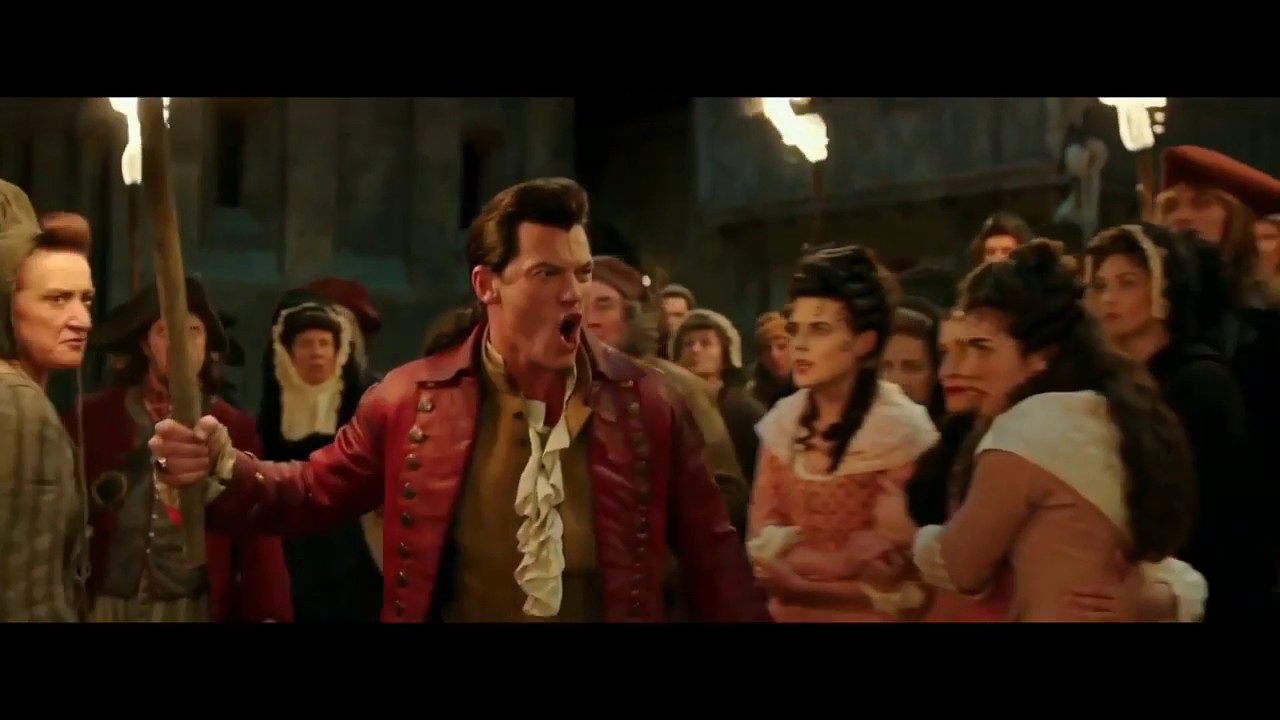
Another argumentative fallacy that is present in this song is Ad numeram, the assertion that “something is true simply because many people believe it is true” (Smith 117). This is clearly stated later in the song when the whole group of them sing, “Here we come, we’re fifty strong / And fifty Frenchmen can’t be wrong / Let’s kill the Beast.” Here each person involved is buying into the idea that since they are all in agreement regarding the Beast’s dangerous tendencies, then they must be right in going to kill him and thereby eradicate him as a threat.
The implications of these argumentative fallacies are immediate. Even as the song is being sung, the mob goes with Gaston to storm the Beast’s castle. The men fall behind him, fully believing in Gaston’s portrayal of the Beast. They do not stop to think about the fact that the Beast has been shut up in his castle for years and has not actually harmed any of the villagers. Furthermore, Belle’s repeated pleas to the Beast’s sanity and kind heart fall on deaf ears.
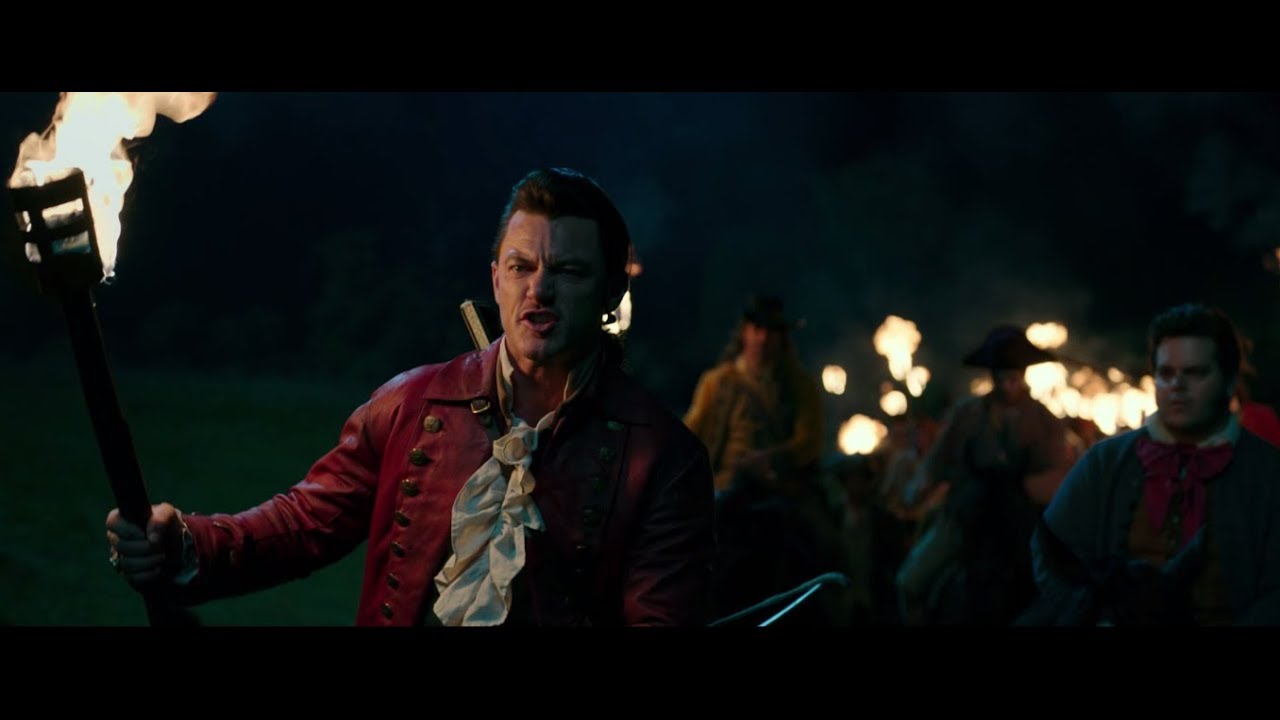
In the end, Gaston leads the crowd to the castle, nearly killing the Beast and forcing the Beast to act in self-defense. The Beast’s understandable resistant behavior only seems to validate the crowd’s irrational beliefs more.
Clearly this is just a Disney film, but the implications of Gaston’s fallacy filled argument can be clearly seen on the audience. As the rhetor in this situation, he successfully, although by faulty means, establishes himself as a credible, authoritative figure and casts the Beast as a violent, deranged, fearsome animal. He then uses repetition of the Beast’s characteristics as a way to gain momentum for his argument and to incite action. Once the audience is roused to action, he appeals to their large number as a way of validating their actions.
While we all know that this is a fairy tale and Gaston is a made-up figure, it serves as an important reminder of the way that argumentative fallacies can build on each other to quickly escalate an initially faulty argument to dangerous proportions.
 Notes in the Margins